Unattackable Balls in Pickleball: Patience Is Power
Unattackable Balls in Pickleball: Take Your Time
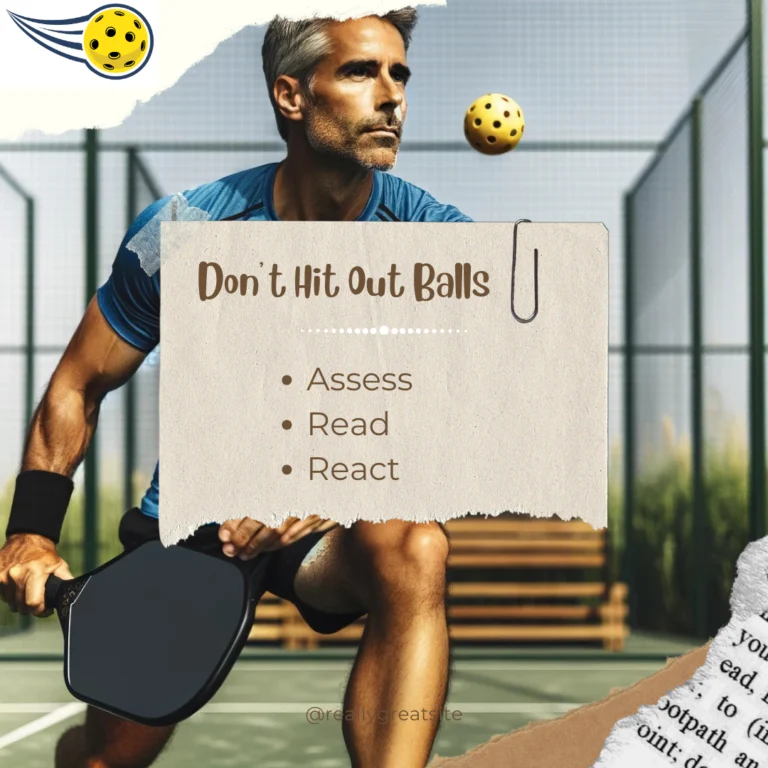
Yesterday at Crossgates in Slidell, I watched Coach AJ run a small clinic. Six players. Plenty of reps. They knew not to speed up junk, yet they still leaked attackable balls. The hidden reason was not just decision-making, it was rushing their shots. Start to finish, their dinks, drops, and resets were being hurried, turning potential unattackable balls into easy counters.
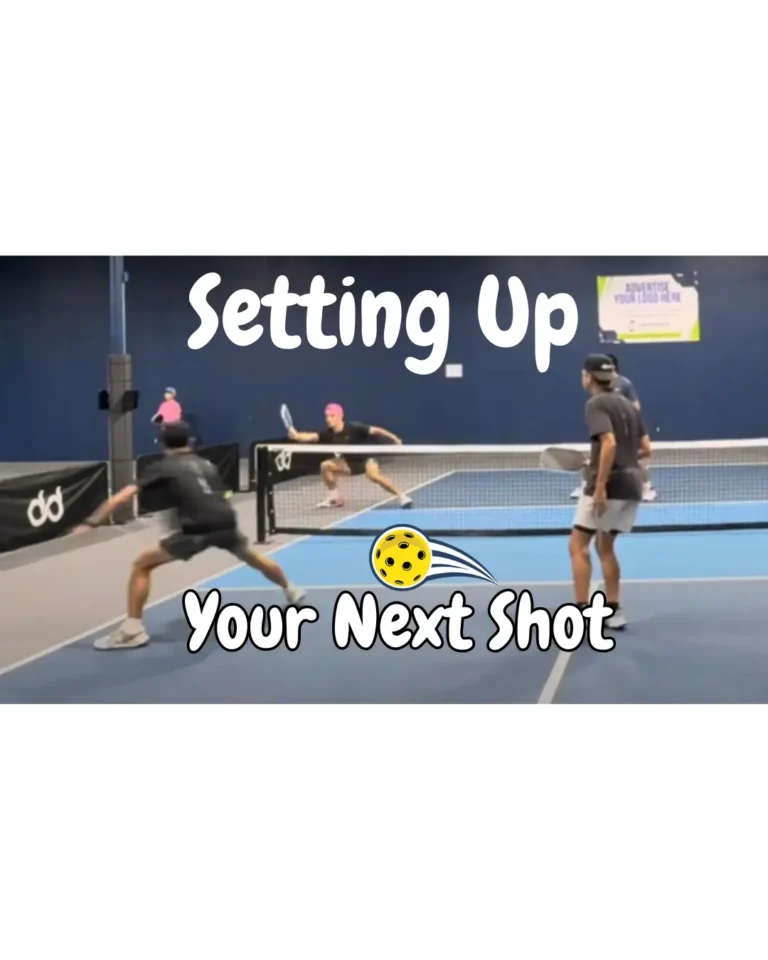
Patience in pickleball doesn’t just mean waiting for a put-away. It’s a rhythm you carry through the entire shot: preparation, approach, contact, and finish. When you stop rushing and move with patience, you create unattackable balls that force your opponent to lift from below the net. When you hurry, even a “soft” ball floats, sits up, and gets hammered back at your chest.
Picture this: you skim a dink that lands near the line, checks low, and pins your opponent’s paddle under the tape. They can’t drive. They can’t counter. You stole their options not by swinging hard, but by slowing down and trusting patience.
- What “Unattackable” Actually Means
- Why It Works: Geometry, Bounce, and Time
- The Rushing Problem: Symptoms and Causes
- Full-Shot Patience Framework
- Apply It to Dinks, Drops, and Resets
- The Three Dials: Height, Depth, Spin
- Table, Checklist, and Visual Targets
- Self-Diagnosis: Film Cues and Simple Tests
- Drill Library with Clear Goals
- Two-Week Upgrade Plan
- When to Stay Soft or Speed Up
- Partner Cues and Roles
- FAQ
- What Is “Unattackable Balls”?
- Turn Strategy Into Action
“Unattackable” means they must hit up, not down
An unattackable ball removes your opponent’s ability to strike down. It forces contact below the tape, often near their feet or outside their comfortable strike zone. The ball doesn’t just travel slow; it bounces low and lands in precise spots that deny posture and angles. These shots are born from patience, not rushing.
Core traits: low arc over the net, a bounce that stays under knee height, and intent, aimed at feet, deep non-volley-zone (NVZ) line, or pulled wide to steal balance. You are trading pace for control and position. The moment you rush, these traits disappear.
In the ever-evolving game of pickleball, a new challenge has emerged. With better grit on modern paddles, the line between a “safe” ball and an “attackable” one is becoming razor-thin. What was once a tough shot for your opponent can now be turned into a counter-attack with the right spin and control.
This makes precision more critical than ever. The ability to place a unattackable balls exactly where you want it – low and to the feet, deep in the court, or wide to pull an opponent off balance – is no longer just a smart strategy. It’s essential for survival in a game where even the most defensive shots can be turned against you. Your opponent’s paddle can now generate more spin and power from awkward positions, meaning your margin for error is shrinking.
Net geometry + bounce control = no flat swing path
The net is 34 inches at center and 36 at the posts. The NVZ is seven feet each side. If your ball lands deep near that line and stays down, their paddle starts below net height. That kills the flat, downward swing path that powers drives and counters. Rushing mistakes usually lift the ball just enough to give them that swing path back.
- Angle matters: A shallow trajectory reduces time above the tape.
- Spin matters: A light brush keeps the bounce from popping.
- Depth matters: Deep contact at the NVZ line pins posture and forces an upward hit.
You didn’t win the rally, you removed their A-options. Patience, not pace, creates that denial.
Slow Start, Smooth Middle, Quiet Finish
Stop rushing pickleball shots. Players who “know better” still leak height by hurrying. They start late, snatch a backswing, jab the wrist, and cut the finish. Each mistake may cost only millimeters, yet millimeters decide whether your ball dies or floats. These are not unattackable balls.
Rushing mistakes show up as: late paddle set, jerky wrist, off-balance lunge, and a finish that stops early.
Root causes:
- Visual Rush: looking to target too soon
- Footwork Rush: arriving late
- Breath Tension: held breath
- Decision Rush: no plan, hitting a shot with no intent
Fixes come from rhythm and sequencing, not heroics. This is the discipline of patience in pickleball.
Walk through one entire soft shot
Carry a steady rhythm through four phases. Use short cues you can hear in your head, simple, repeatable, and calm. This is the blueprint for soft game patience.
- Prepare
SET as they swing. Paddle face READY for your intended shape. Eyes SEE the incoming ball, not the future target.
- Approach
Small adjustment steps (FEET) behind the bounce, loose grip with a light exhale (AIR), shoulder-led motion (SMOOTH), not a wrist jab.
- Contact
Make contact in front (IN FRONT), brush not bump (BRUSH), and keep net clearance low (LOW). Let shape beat force.
- Finish
Finish on the aim line (THROUGH), hold the pose (HOLD) for a split count, then reset posture (READY).
Same patience, three situations – dinks, drops, resets
Dinks
- Goal: 2–6 inches over the tape, deep near the NVZ line or at the feet, with a bounce that stays low.
- Common rush: wrist flicks that float.
- Fix: early set, light brush, calm finish toward the landing spot. A dink played with patience in pickleball becomes an unattackable ball.
Drops
- Goal: an entry ball that forces an upward reply or a block.
- Common rush: fast swings that sail or sit up.
- Fix: longer, quieter swing from the shoulder; think “loft then land,” not “push hard.” When you stop rushing pickleball drops, you take away your opponent’s drive.
Resets
- Goal: soak pace and drop to the kitchen from defense.
- Common rush: stabs that pop center-mass balls.
- Fix: soften the hands, guide a shorter path, and accept a little height if the bounce stays low and deep. Patience here restores control and produces unattackable resets.
Related reads on PickleTip: try our blocking guide and the drive control piece to pair your soft game with pressure.
Height, Depth, Spin – turn the dials, don’t yank them
See your soft game as three dials.
- Height: lower arc shrinks attack windows.
- Depth: deep to the NVZ line pins posture.
- Spin: a light brush keeps the bounce from popping up.
You rarely need a chop; shape beats carve. Rushing shots usually spikes one of these dials out of control.
“Dead Dinks” vs “Tactically Soft” – They aren’t the same
| Feature | Bad “Dead” Dink | Good Unattackable Dink |
|---|---|---|
| Pace | Flat, no shape | Soft with light brush |
| Trajectory | Floats high | Low skim, shallow arc |
| Bounce | Pops into strike zone | Skids or dies low |
| Placement | Middle of kitchen | Feet, deep line, or wide pull |
| Intent | “Just get it over” | Purposeful denial of attack |
- Checklist: arc low, land deep, bounce below knee, finish held, eyes on bounce.
- Target box: tape a 18×24 in rectangle one shoe length from the NVZ line. Count makes.
Simple tests that expose hidden rushing
- String test: run a string four inches above the tape. Quality dinks pass under it often.
- Landing box: aim for 15 of 20 deep makes.
- Bounce height: keep the bounce under the opponent’s knee line.
Film cues: contact in front, quiet wrist, finish held for a split count, and eyes on the bounce until contact. Add a metronome at 60–70 bpm and strike every other click to reveal true tempo. This exposes rushing mistakes quickly.
Unattackable Balls Drills that hard-wire full-shot patience
1) String Barrier Dinks
- Setup: Tie a piece of string or tape across the net posts, about four inches above the net tape. This creates a visual barrier that forces you to hit a low, dipping dink.
- How to do it: With your partner, dink the ball back and forth, aiming to get every shot to pass under the string. Your goal is to keep the ball low over the net and have it land in the opponent’s kitchen with a low bounce. If the ball hits the string or bounces high, the rally ends. The goal of 20 in a row requires immense focus and consistency.
- Cue: The phrase “brush and hold” is a mental reminder to use a gentle, upward brushing motion on the ball to create topspin, which makes it dip. The “hold” part reminds you to have a soft hand and a quiet finish, not a long, aggressive swing, which helps maintain control and keep the ball low (Unattackable Balls).
2) Depth Box Targets
- Setup: Place a small, 18×24 inch target (like a small towel, court marker, or even a box) on the opposite side of the net. Position it in the kitchen, near the non-volley zone (NVZ) line.
- How to do it: The drill is a basic dinking rally, but you are specifically aiming to land your dinks inside the small target. The small target forces precision and depth control. The goal of 15 out of 20 successful shots tests your ability to consistently hit your mark under pressure.
- Cue: The cue “finish to the box, freeze a beat” reminds you to direct your paddle face directly towards the target at the end of your swing and hold that position. This helps prevent a wild finish and reinforces a controlled, accurate follow-through.
3) Skid Spin Dinks
- Setup: This is a standard dinking drill. Both players are at the non-volley zone (NVZ) line, dinking the ball back and forth. No special equipment is needed, just a ball and your paddles.
- How to do it: In a dinking rally, intentionally add a forward, low-spin motion to the ball. The goal is to make the ball hit the court and then “skid” forward or stay low, making it difficult for your opponent to attack. This is different from a slice dink, which has backspin and often bounces high.
- Cue: The key is a “light brush forward and slightly up – no carve.” This distinguishes it from a deep slice, which often has a downward, carving motion. The forward brush creates a low, topspin-like effect that makes the ball skid after the bounce.
4) Figure-Eight Resets
- Setup: This drill requires a feeder who is actively hitting the ball with varying pace and height. The feeder should alternate their shots, sometimes hitting a faster ball to your shoulder and other times a slower ball to your hip.
- How to do it: Your goal is to react to the incoming ball and use a soft, absorbing motion to “reset” it back over the net. Your target for the reset is the low middle of the court, a safe zone that prevents your opponent from attacking. The drill trains you to absorb pace and control the ball in a defensive situation.
- Cue: The cue “soft hands, short guide” reminds you to not try to hit a powerful shot. Instead, you’re using a relaxed grip and a short, guiding motion to redirect the ball’s energy and send it back over the net in a controlled manner.
5) Third-Shot Ladder
- Setup: Start at the baseline while your partner is at the non-volley zone line. You will hit a third shot drop, and if it’s successful, you take one step forward.
- How to do it: You and your partner play out the point. If your third shot is a “clean drop” that forces your opponent to hit up on the ball, you move one step closer to the NVZ. Your goal is to get to the non-volley zone line in five successful third-shot drops. This drill builds confidence and consistency in your most crucial offensive shot.
- Cue: The cue “longer swing, easy start, quiet finish” reminds you that a successful drop is not a hard punch. It’s a longer, more controlled swing that starts slow, accelerates through the ball, and finishes softly, which helps to absorb pace and place the ball correctly.
6) No-Attack Game
- Rules: Play a regular game, but a point can only be scored when a ball forces your opponent to hit a shot where their paddle is in an upward position. This rule eliminates banging the ball and forces a focus on ball placement and patience.
- How to do it: Instead of looking for an opportunity to hit a winner, you are constantly looking for a way to put your opponent in a defensive position. This requires a deeper understanding of the game beyond simply hitting hard.
- Goal: The goal is to learn to “read posture, not just flight.” Instead of just reacting to where the ball is, you learn to read your opponent’s body language and recognize when they are in a vulnerable position.
7) Metronome Dinks
- Setup: Use a metronome app or a physical metronome set to a slow tempo of 60-70 beats per minute (bpm).
- How to do it: In a dinking rally, you and your partner must time your shots to strike the ball on every other click of the metronome. This is a very slow pace, which forces you to be deliberate and patient with your shot selection and execution.
- Cue: The cue “tempo makes patience visible” emphasizes that the drill is not about winning a point; it’s about controlling the rhythm of the game. If you’re able to maintain this slow, deliberate rhythm, it’s a clear sign of your patience and control.
Round this out with our Erne timing primer to understand when a pinned posture turns into an attack lane.
Two weeks to make your soft ball unattackable
Week 1 – Build control: 10 min string dinks + 10 min depth box daily; third-shot ladder thrice; film one set for finish holds.
Week 2 – Add pressure: 10 min figure-eight resets + 10 min skid dinks daily; two no-attack games to 11; track pop-ups and fix the root cause found on film.
Soft first, soft second – strike only when posture folds
Stay soft if their contact is below net height, posture is set, or you’re still moving. Apply pressure when you have them wide or late and your next soft ball pins the feet. Speed up only with clean height control, contact in front, and planned coverage. This flow is how patience in pickleball becomes a weapon.
Partner cues and roles that protect your soft edge
- Voice: keep cues short and calm – “Feet,” “Low,” “Hold.”
- Roles: one player pins depth while the other hunts posture and lanes.
- Cover: when your partner resets from defense, you slide first, then look for your own unattackable reply.
Fast answers for common soft-game questions
About 2–6 inches over the tape with a bounce that stays below knee height.
Late set and wrist jab. Start slower, light brush, and hold the finish toward your landing box.
Tape an 18×24 in box one shoe length from the NVZ line. Count makes and aim for 15 of 20.
Longer, quieter swing; contact in front; think “loft then land.”
Shape beats carve. A light brush that keeps the bounce down is enough.
What are “Unattackable Balls”?
Unattackable Balls are a shot quality you build on purpose. Blend a low arc, deep landings, and a light brush so the bounce stays down and the opponent must lift. It’s not cute or passive, it’s pressure without pace. Rushing mistakes rob you of this advantage.
Measure what matters – own the finish
This week’s measurable targets:
- String-barrier dinks: 20 straight under the string.
- Depth box: 15 of 20 makes per side.
- Film: 10 rallies; count held finishes and pop-ups.
- No-attack game: win to 11; note forced upward contacts.
Want more reps? See our deep dives on return of serve and advanced dinking patterns to stack advantages behind your new soft control.
About the Author: Coach Sid writes for PickleTip and teaches pressure-proof soft skills that travel from drills to match day.