Spartus Spitfire Review: More Power Than Pop for $99
After 18 hours with the Spartus Spitfire, I found elite spin, legitimate power and a calmer short game than expected from a $99 foam paddle.
View Sid Parfait on DUPR Coach
Hi, I’m Sid Parfait, co-founder of PickleTip.com, a registered DUPR Coach, and director of the New Orleans Pickleball Club. I work with players across the New Orleans area through DUPR sessions, beginner and intermediate clinics, community events, and coaching support that helps people understand the game more clearly. I also evaluate players in real match environments and help submit DUPR ratings, which gives me a practical view of how players actually improve, compete, and move through skill levels.
That court-level experience shapes much of the content I help create on PickleTip. The articles, rating breakdowns, paddle reviews, and beginner guides are influenced by the questions, mistakes, and breakthroughs I see repeatedly from real players.
My pickleball journey started on March 11, 2023, when I stepped onto a court for the first time with a borrowed paddle and no real expectations. I dealt with the same confusion many new players feel: overswinging, misreading the Kitchen, hesitating under pressure, and wondering why the game looked simple until the point actually started. That early experience still shapes how I teach, write, and organize content for developing players.
Because I came into the sport as an adult beginner, I remember the frustration and small breakthroughs that define the first stage of improvement. That perspective informs much of my work on PickleTip, especially articles aimed at helping newer players make faster sense of strategy, ratings, court positioning, paddle choices, and common decision-making mistakes.
On PickleTip, my work often focuses on beginner improvement, player development, DUPR and ratings analysis, community building, and practical gear education. I am especially interested in turning confusing topics into language everyday players can actually use. That includes long-form articles on ratings, honest reflections from a rec player’s perspective, and content shaped by what I see in clinics, DUPR sessions, events, and local match play.
If you want to understand the experience that started much of this perspective, you can read my First Day Playing Pickleball.
Beyond publishing, I help support the local pickleball scene through clinics, DUPR events, community organization, and venue support. I have consulted with multiple pickleball facilities before opening, offering feedback on operations, scheduling, membership structure, event planning, programming, and ways to create a better player experience from day one. That work keeps me close to the real needs of both players and facilities.
It also helps keep my content grounded. I am less interested in theory that sounds impressive and more interested in ideas that hold up with actual players in real environments. That same mindset shapes how I think about equipment, community growth, player ratings, and the kind of guidance that truly helps people stay in the sport.
My role at PickleTip is not just to publish articles. It is to help make the site more useful, more honest, and more connected to the real player experience. Whether I am writing about ratings, covering a trend in pickleball, testing a paddle, or helping frame educational content for improving players, I want the advice to feel clear, tested, and relevant to the people actually trying to get better.
If you are looking for practical insight, local perspective, and guidance shaped by real court experience, that is the standard I try to bring to every article, event, and recommendation I put my name on.

After 18 hours with the Spartus Spitfire, I found elite spin, legitimate power and a calmer short game than expected from a $99 foam paddle.
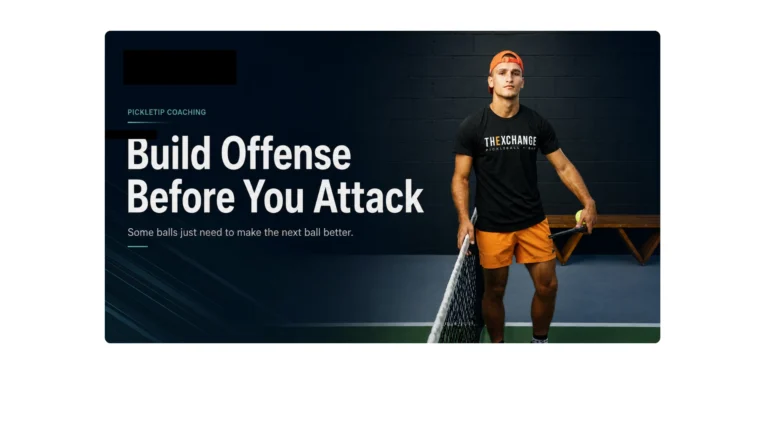
Better shots can create a new problem: attacking too early. Coach Sid explains how to build offense, recognize neutral balls, and earn the right attack.
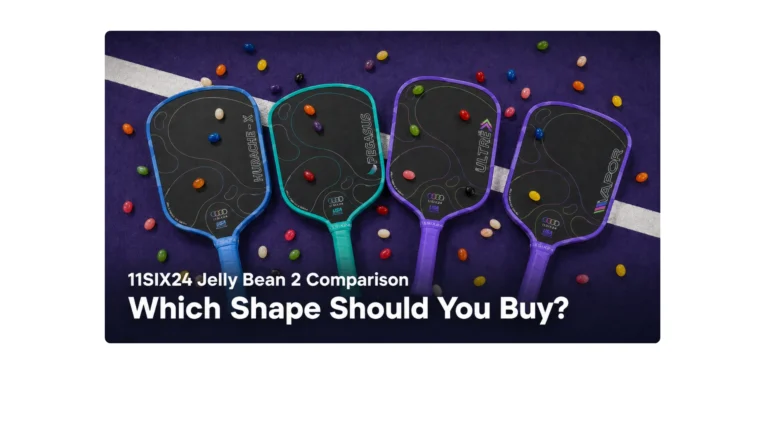
I tested all four 11SIX24 Jelly Bean 2 shapes—Pegasus, Hurache-X, Vapor and Ultré—to compare control, power, stability, hand speed and player fit.
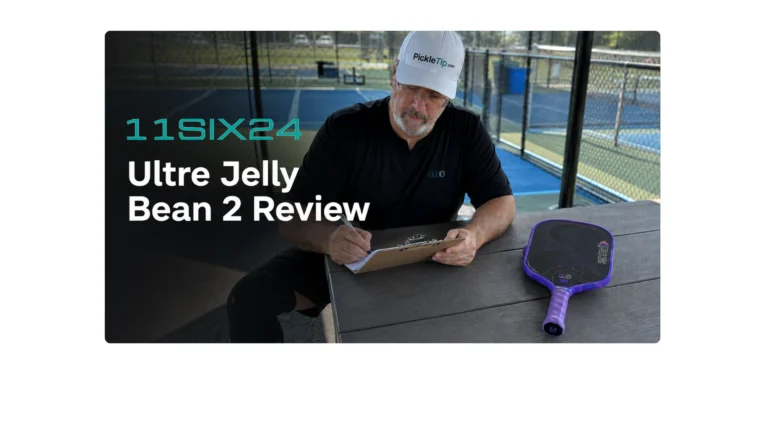
The Ultré Jelly Bean 2 surprised me. It keeps the planted Ultré shape but pairs it with a softer, control-first core that rewards full swings, resets and spin more than quick, reactive offense.
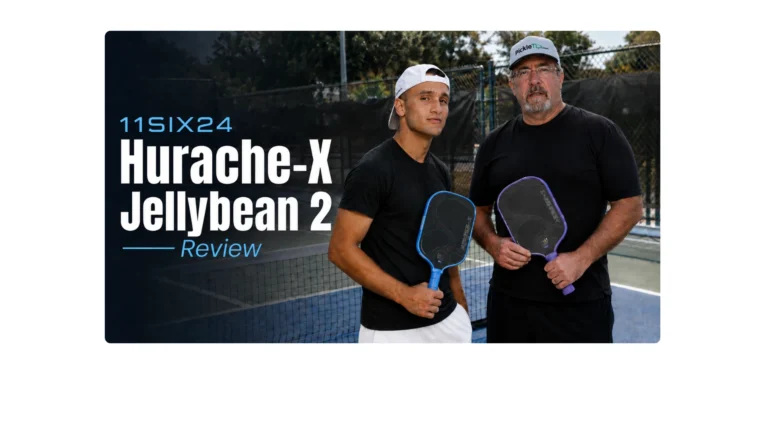
The Hurache-X Jelly Bean 2 felt the best to me during testing. I break down its plush control, surprising power, resets, spin, forgiveness and Power 2 comparison.
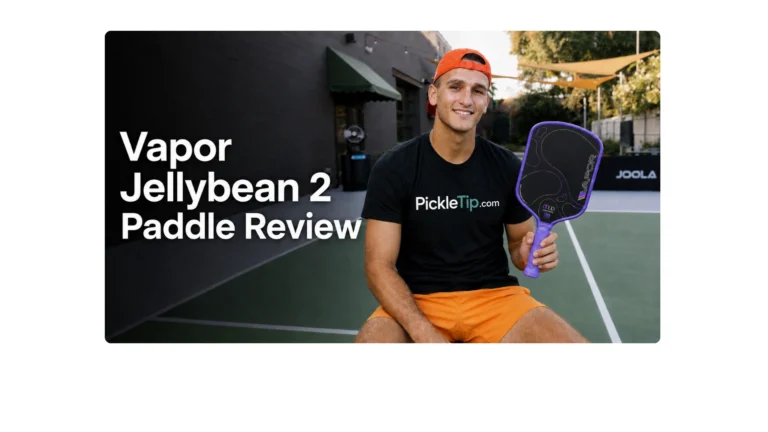
The 11SIX24 Vapor Jelly Bean 2 is a soft, spin-heavy hybrid with excellent resets, controlled drops and enough power when you supply the swing. I compare it with the Vapor Power 2 and original Jelly Bean, explain how it breaks in, and show where it fits in the new JB2 lineup.
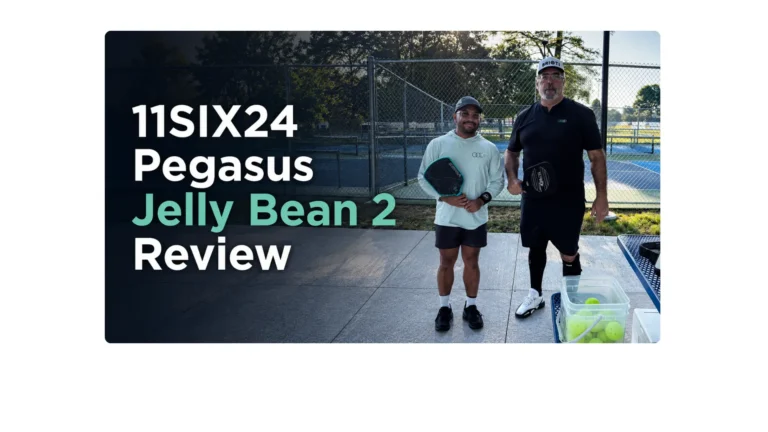
After 26 hours with the 11SIX24 Pegasus Jelly Bean 2, I found a soft, stable widebody with excellent spin, easy resets and earned power instead of automatic pop.

After months of drilling and play, my Ronbus Tenon R1.16 delivers excellent spin and more pop than its soft feel suggests—but it isn’t simply a Quanta with better grit.
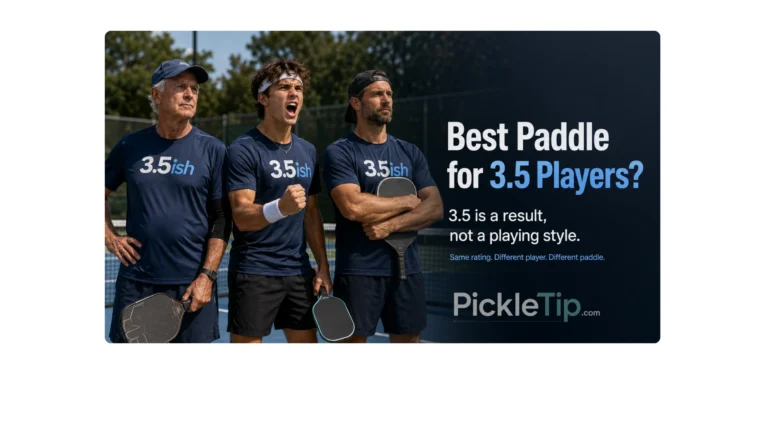
There is no single best pickleball paddle for every 3.5 player. Coach Sid explains why playing style, weaknesses, pressure, and paddle behavior matter more than the rating itself.
Pickleball paddle dwell time describes how long the ball stays in contact with the paddle face. Learn how dwell differs from pocketing, how it affects control, spin, power, and feel, and why usable dwell matters more than chasing the softest paddle.