

DUPR Performance Ratings: Fair Upgrade or Pickleball Betrayal?
Performance Based Ratings: Are We Rewarding Skill or Just Punishing Winners?
The first time I scrolled through DUPR’s algorithm update (Performance Based Ratings), I nodded. It made sense on paper: reward performance, not just wins. That’s how a legitimate rating system should work, right? I even penned a quick blurb about the new DUPR algorithm, laid out why I thought it was a much-needed step forward for competitive pickleball. It felt like progress.
Author’s Note
What a new algorithm exposed about competition, frustration, and fairness in the fastest-growing sport in America.
I truly didn’t expect this kind of backlash. What seemed like a clear step forward became one of the most divisive changes I’ve seen in the sport. This follow-up isn’t to defend or attack, it’s to understand.
What DUPR Reset actually changes (and what it doesn’t)
But then, the courts opened up. The comments started rolling in like a slice return. Not just a handful of armchair critics, dozens of thoughtful, frustrated, and downright fired-up players. People who bleed on court more than they type. Coaches. Tournament grinders. The rec league warriors who live and die by their morning session. And they weren’t just griping. They had real concerns, some raw, emotional, some cold, hard logic, and some that made me hit pause mid-scroll and rethink the entire damn premise.
Performance Based Ratings
I was genuinely thrown by the sheer volume of pushback. To me, the “performance over results” idea was a no-brainer. But the comments kept flooding in. Loud, articulate, nuanced, and fueled by genuine frustration. So I stopped defending the DUPR algorithm and started listening. If this many smart, competitive players felt something was off, it was worth digging in, not just to understand what they were saying, but why it felt like a gut punch. And what I found? Well, it’s uglier than a mis-hit third shot drop into the net. It’s complicated.
This isn’t about switching teams or piling on DUPR. This follow-up is about mapping the entire battlefield, the full weight of what players are feeling, fearing, and fighting for, and putting it into plain, unvarnished terms. I’m not quoting anyone directly (privacy, you know the drill), but I’ve captured every viewpoint I saw. And if you stick around, you might just see your own sweaty, exasperated face in some of them. 🧠
In short: Performance based ratings reward how you play, not just whether you win, and that’s sparked one of the most passionate, brutal divides in modern pickleball. 🔗
Quick Breakdown: The DUPR Rumble
- This article dissects both sides of the DUPR algorithm update, no holding back.
- Some players feel downright punished for winning gold; others insist the system finally makes sense.
- We’ll dissect every claim and counterclaim without an ounce of sugarcoating.
- This isn’t just math; it’s about what we truly value in this wild, beautiful sport.
DUPR’s new algorithm rewards how you play, not just whether you win. Some players say it’s fairer and smarter. Others say it’s punishing, confusing, and discourages play. We break down every argument, and what it means for your rating.
Jump to:
- Why Some Think It’s Genius
- Why Others Feel Cheated
- The Brutal Truth: Point-by-Point
- Your Burning Questions
- The Unfiltered Take
What Exactly Is Performance-Based Rating?
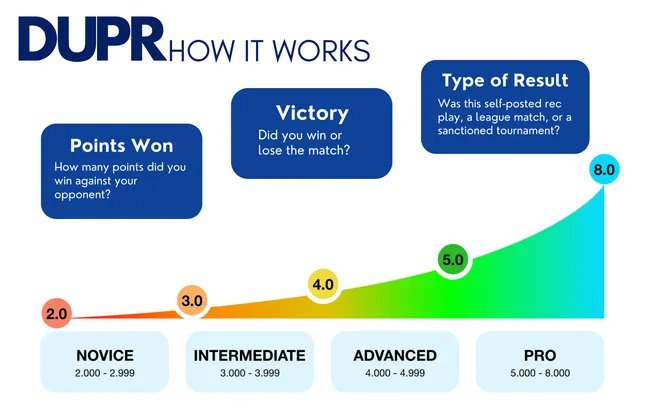
Performance based rating is a system that tweaks your skill level not just on whether you won or lost, but on how well you played relative to what was expected. Think of it as a relentless coach watching every point: it factors in the final score, your opponent’s rating, and even the partner combination. It’s not just “W” or “L”; it’s “W, and did you dominate like ALW, or just barely crawl across the finish line?” 📊
What Players Are Really Saying (Without Quotes)
This isn’t guesswork. These themes showed up again and again across groups, forums, and real court conversations. Here’s what people are feeling:
- “I won gold and my rating still dropped, that feels insulting.”
- “This makes me afraid to partner with my lower-rated friends.”
- “It’s exhausting trying to play perfect all the time.”
- “I get it, but why didn’t DUPR explain this better?”
Why Some Players Are Toasting the Update
It Rewards Actual Skill, Not Just Bragging Rights
Supporters argue, sometimes with a sneer, that barely beating a much weaker team 11–9 isn’t a victory; it’s an embarrassment. It’s underperformance, plain and simple. This update shoves nuance down your throat. It doesn’t just ask, “Did you win?”, it demands, “How did you win, and did it look like you meant it?”
- Dominant wins over weaker teams don’t just solidify your rating; they etch it in stone.
- Close losses to better teams? Your rating might actually creep up. It’s about showing you belong, even when the scoreboard stings.
- You can’t just squeak out wins like a scared mouse trying to protect it’s DUPR. Every point is a battle. 🔥
It Slams the Door on Sandbagging
This new system is a brick wall for those higher-rated players who’ve been coasting through easy brackets, grabbing cheap points like candy. Now, every single point matters. It forces honest, intense play across the board. No more cruising on autopilot.
It Finally Aligns DUPR With Real Sports Systems
Look at chess (Elo), esports (TrueSkill), even college football rankings, they’ve all used expectation modeling for ages. DUPR’s shift isn’t rocket science; it’s just finally joining the big leagues in how rating systems have actually worked for decades elsewhere. It’s about time.
It Fuels Stronger Matchmaking (Theoretically)
When tournament directors are seeding brackets, or clubs are trying to build out challenge ladders, a performance-based system can sort players with brutal efficiency. It’s not just about who wins, but how dominant or how competitive they truly are. It should, in theory, mean fewer blowout matches and more actual fights.
Why Others Feel Like They’ve Been Robbed
“I Won Gold – And My Rating STILL Dropped?!”
This was the loudest, most gut-wrenching complaint. Players are sharing stories, fuming, about going undefeated in a tournament, sometimes even winning gold, and potentially seeing their DUPR ratings plummet. It’s an emotional gut punch. It just feels fundamentally wrong to be “punished” after a win.
“Imagine the College National Championship game just ended. LSU defeated Alabama in a hard-fought battle, celebrating their victory and the national title. Yet, under this new, perplexing system, despite winning the championship game, LSU is now ranked second overall. The margin of their victory, apparently, wasn’t “enough” to convince the system they were truly the best, because they didn’t cover the point spread.”
“It Actively Discourages Playing Down”
Higher-rated players are now sweating bullets about stepping on court with or against lower-rated partners. Even a slight underperformance can tank their rating faster than a badly executed Erne. Critics scream that this discourages mentorship, mixed-level play, and those vital social matches that keep smaller pickleball communities alive. Who wants to risk their hard-earned rating for a friendly game?
“There’s No Room for Real Life”
Many feel DUPR treats every player as a raw data point, regardless of age, gender, or even match format. A 25-year-old 4.0 male and a 65-year-old 4.0 female get crunched by the exact same cold math. Critics aren’t just arguing this is inaccurate; they say it’s flat-out unfair. Some days, your legs are just gone. The algorithm doesn’t care. It doesn’t care if you’re tired or if your partner had too many tacos. 📊
“The Damn Logic Is Opaque!”
Even some who grudgingly support the change are ready to throw their paddles at DUPR’s communication. Players report utter confusion: How are expectations calculated? Why did my points drop? Where’s the invisible line between “good enough” and “not good enough?” It feels like a black box, and nobody likes a black box when their rating, and ego, is on the line. 📉
🤔 Pause & Reflect: Have you lost rating points after a solid win? Do you agree with rewarding performance over outcome? Keep reading, but make a mental note of where you stand.
The Brutal Truth: Point-by-Point Rebuttals
Concern: “The system punishes winners. Period.”
Response: It doesn’t punish winning; it smacks you for underperformance. If you barely scrape by a team you should’ve crushed, the system recalibrates your rating. This isn’t a new concept; it’s standard in Elo and Vegas-style modeling. It’s not about the W; it’s about what that W actually meant when the dust settled. If you win 12-10 against a 3.0 when you’re a 4.0, you didn’t win, you survived. And the algorithm knows it. 😂
Concern: “This discourages mixed-level play.”
Response: That’s only true if you play like a zombie. If a 4.5 cleans house against a 3.5 team, 11–3, there’s no penalty. The system isn’t trying to stamp out kindness; it’s trying to stamp out coasting. This puts pressure on strong players to maintain their level, not to shy away from those trying to get better. If you truly play at your level, you’ll be fine. If you don’t, you shouldn’t be complaining.
Concern: “It ignores age, gender, and how I feel on Tuesdays.”
Response: DUPR rates match performance, not your identity or your weekly mood swings. You already play in age/gender brackets; that’s where segmentation happens. Trying to hardcode age-based math would introduce assumptions that could actually screw over outliers. This system levels the field by only judging the scoreboard, a harsh, unfeeling god that simply tracks results. It doesn’t care if you had a bad day. 📊
Concern: “Nobody knows how this thing actually works!”
Response: Okay, fair. This is a legitimate grievance. DUPR could do a much better job pulling back the curtain. But that’s a communication breakdown, not a math flaw. Transparency matters, absolutely, but performance modeling is inherently complex. You don’t need to understand every piston to know the car drives well. Let the algorithm work, and keep drilling those third shot drops.
FAQ: Your Burning Questions, Answered (Without Fluff)
Because it fundamentally shifts what we’re being rewarded for. Some players live to win. Others live to dominate. This update drags everyone toward consistency and precision—not just simply getting the W. It’s a paradigm shift, and shifts always cause friction.
It absolutely can be, yes. DUPR is built for competitive environments, for those who care about their number. If you’re just hitting mixed rec matches with no clear stakes, the expectations become a blurry mess. That’s where logging matches selectively, or not at all, becomes your smartest play. Don’t play a DUPR match if you don’t want to play for blood.
Unknown. But if enough players keep hammering them for transparency, segmentation, or even dual modes (rec vs. competitive ratings), there’s always potential for evolution. The squeaky wheel gets the grease. You gotta keep pushing. 🧠
Turn This Debate Into Your Damn Edge
So, where do you stand on the DUPR debate regarding performance based ratings? Think you’re rated too low? Too high? Be honest. Would you bet your own rating that you dominated, or just squeaked by? Drop your take below. And for more ways to sharpen your mental game and on-court strategy, check out our other guides.
If this article hit a nerve, share it with your crew. The more we talk about the future of pickleball ratings, the better it gets for everyone, competitive, rec, and everyone in between.




Great article! Finally someone made an honest effort to look objectively at both sides of the argument.