
How to Hit a Backhand Dink on the Stretch
Wide backhand dinks expose weak spacing fast. Learn how to move, control the paddle face, choose the right target, and recover from stretched kitchen balls without popping them up.
Essential guides on fundamentals, technique, body mechanics, and skill-building for players at every level.
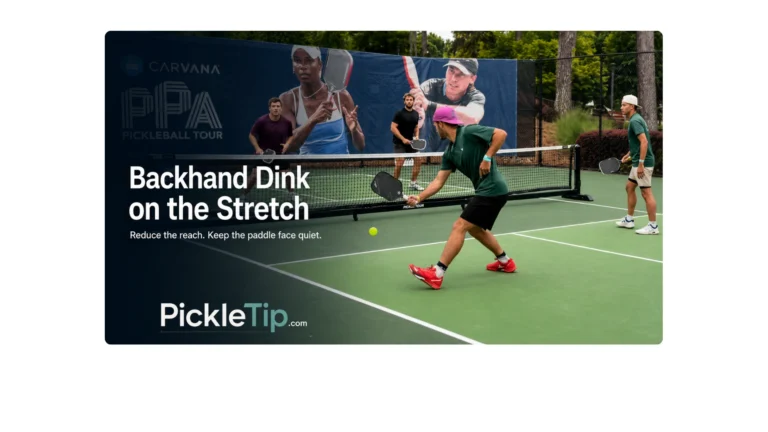
Wide backhand dinks expose weak spacing fast. Learn how to move, control the paddle face, choose the right target, and recover from stretched kitchen balls without popping them up.
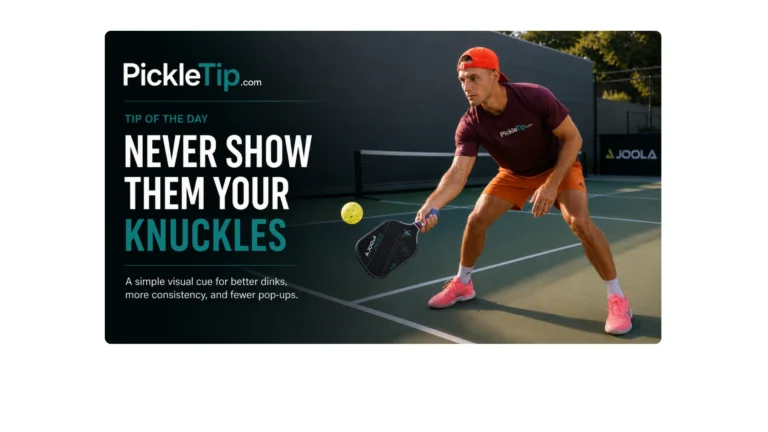
“Never show them your knuckles” is a visual pickleball dink cue for setting the paddle face early, contacting in front, and avoiding the late wrist flip that creates pop-ups.
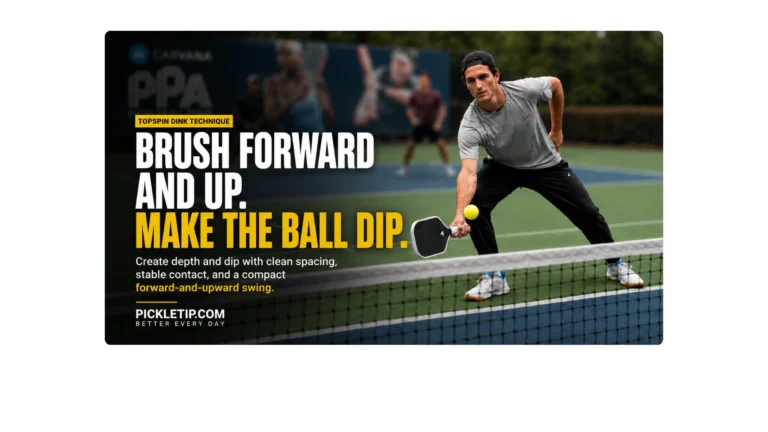
Build a dependable topspin dink with clean spacing, stable paddle control, forward-and-upward contact, troubleshooting tips, and progressive drills.

Popups in pickleball usually come from mechanical leaks. Learn how grip pressure, paddle face control, timing, spacing, and reset mechanics affect dinks, blocks, and fast exchanges so you can keep the ball unattackable under pressure.
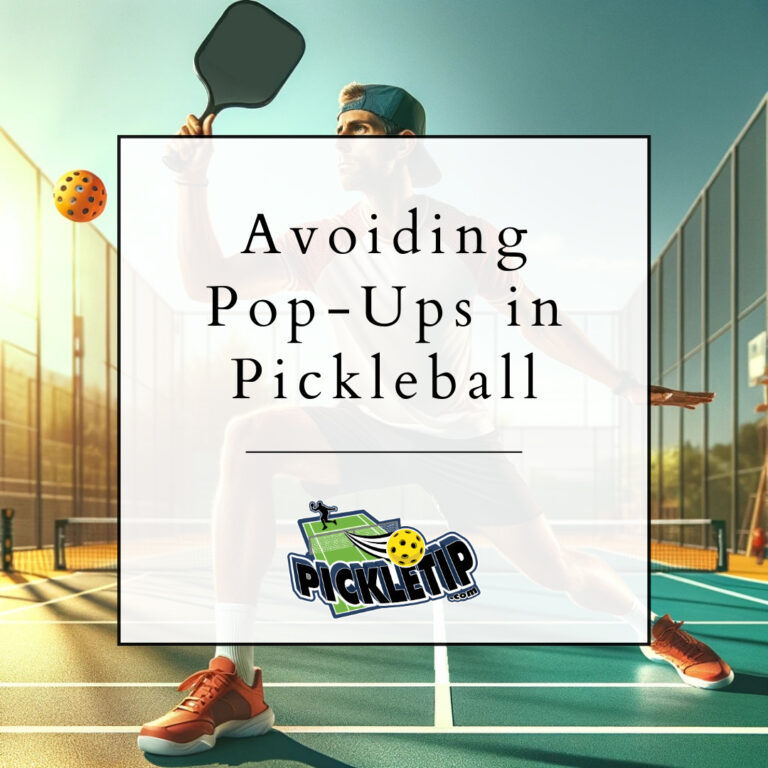
Explore expert strategies to avoid pop-ups in pickleball, enhancing your control and gameplay on the court.
Discover if height is a competitive advantage in pickleball, learn strategies for playing to your height, and find out ‘does height matter in pickleball’ for game success.
Build quick hands in pickleball with a repeatable ready window, compact punch-or-absorb decisions, and an immediate paddle reload. Use court-tested drills to handle body speed-ups and win the next ball.
If your backhand slice return floats, lands short, or feels inconsistent, use this repair order to diagnose spacing, contact, paddle face, swing path, body movement, and depth before chasing more spin.
Learn how spin fits into real pickleball shots from serves and returns to third shots and kitchen play, with practical mechanics, real miss patterns, better decision making, and drills that build reliable match use.
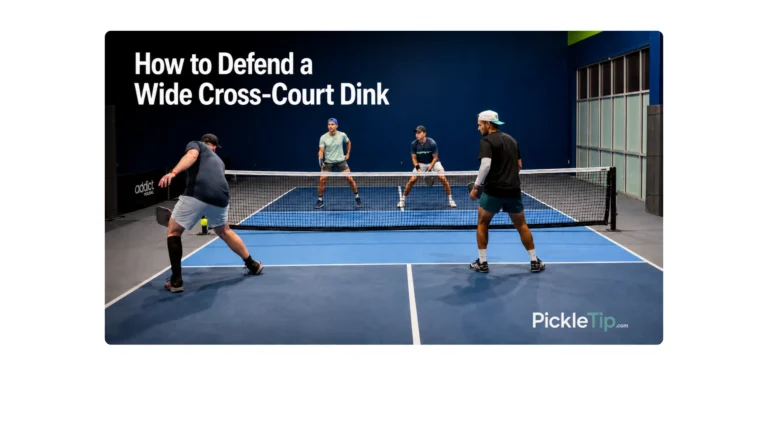
Learn how to defend wide cross-court dinks by reading the angle early, moving around the bounce, protecting the contact point, neutralizing safely, and recovering with your partner.